
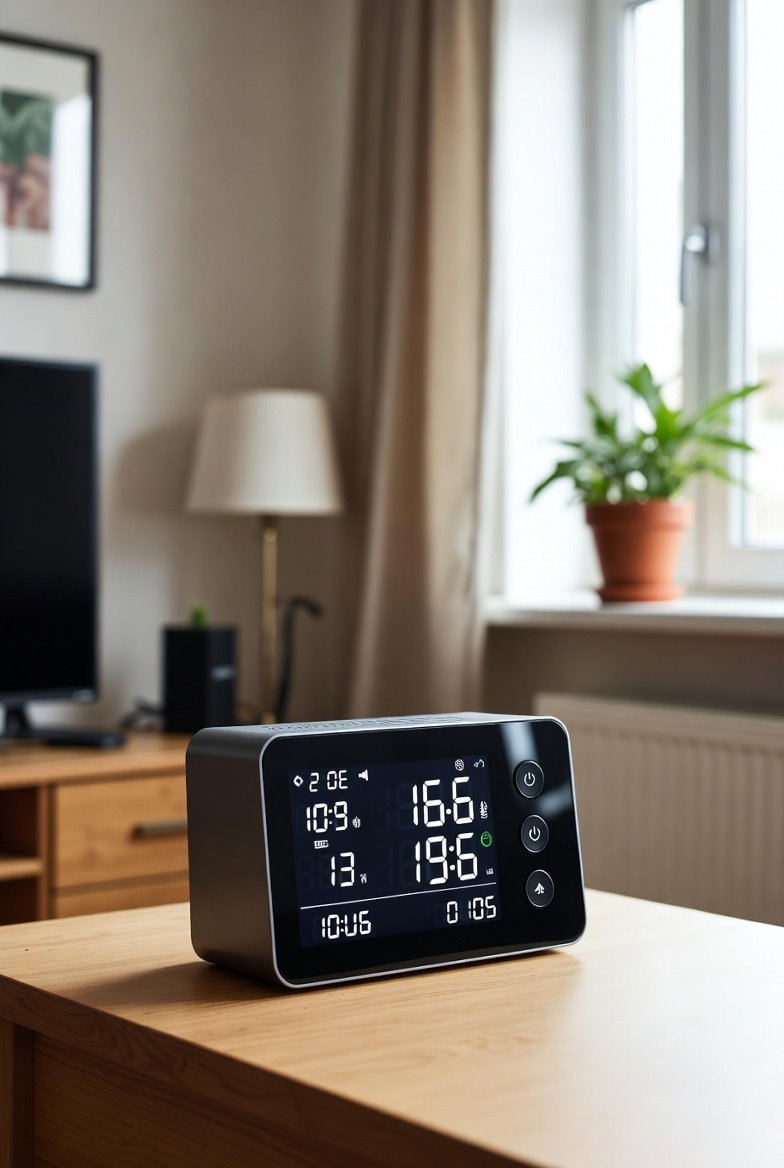
Indoor Air Quality Testing Near Me: What Local Testing Really Tells You
Introduction: Why People Search “Indoor Air Quality Testing Near Me”
- People don’t search this phrase casually
- The search usually happens because:
- Something feels off inside the home
- Symptoms, odors, or discomfort persist
- “Near me” results bundle very different services:
- Some diagnose
- Some test without context
- Some quietly sell equipment
- The difference isn’t always clear from listings
- This page explains:
- How local testing actually works
- What nearby services include
- When testing is the right first step
- When it isn’t
- How to avoid pressure-based services
What “Indoor Air Quality Testing Near Me” Really Means
- “Near me” isn’t just about proximity
- It signals the need for local interpretation
- Local testing matters because:
- Outdoor air varies by region and season
- Housing styles differ by climate and age
- Common IAQ issues are environment-specific
- Local providers understand:
- Seasonal ventilation behavior
- Regional humidity patterns
- Area-specific building designs
- This context leads to more accurate interpretation than national, script-based services
A Realistic Local Context Example
- IAQ complaints often spike during seasonal transitions
- Common scenario:
- Homes sealed for heating or cooling
- Ventilation not yet adjusted
- Humidity rises
- Air exchange drops
- Indoor pollutants concentrate
- A local provider recognizes this immediately
- A generic service may flag elevated numbers without explaining timing
- Context changes decisions—not just data
Local On-Site Testing vs Mail-In or Remote Options
- Local on-site testing is fundamentally different
On-Site Local Testing Typically Includes:
- Walkthrough of the home
- Strategic monitor placement
- Evaluation of ventilation and moisture behavior
- Real-time explanation of findings
Mail-In or Remote Tools:
- Generate numbers only
- Cannot explain:
- Cause
- Timing
- Relevance
- For most homeowners, explanation is the most valuable part of local testing
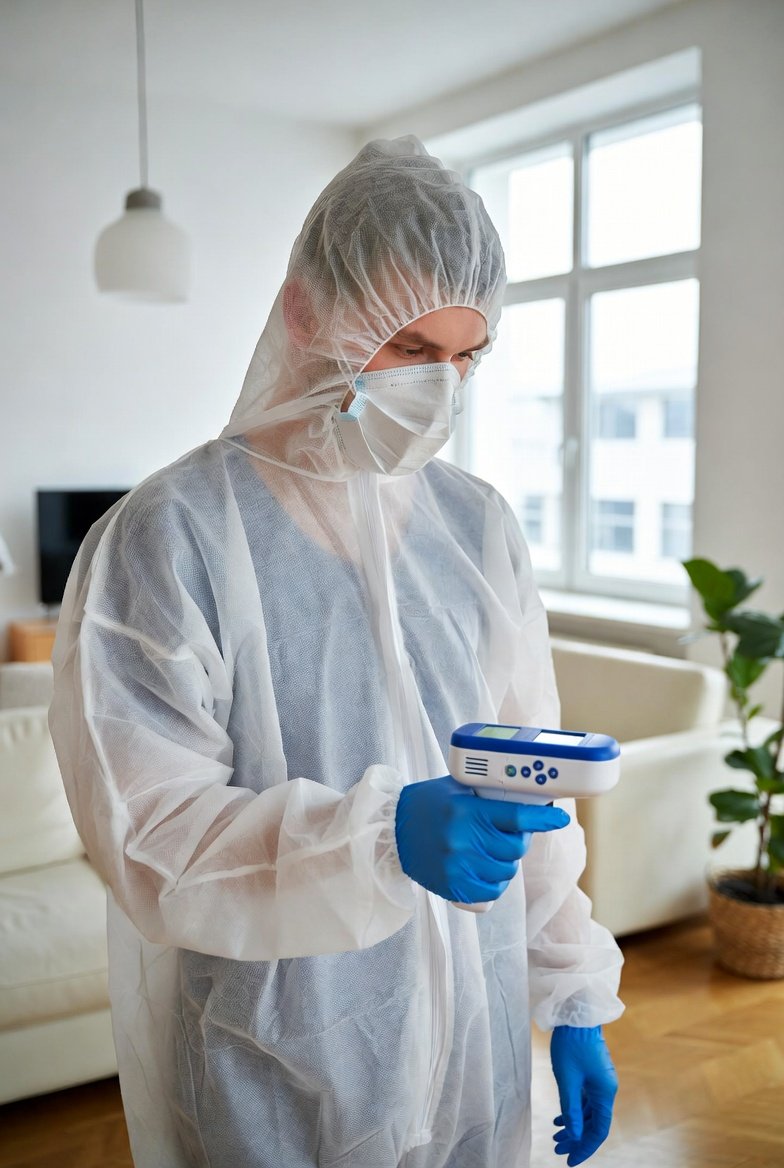
Residential Indoor Air Quality Testing Near You
- Residential testing focuses on how people actually live in the space
- Local residential services often consider:
- Occupancy patterns
- Daily habits
- Recent renovations or repairs
- Past water damage or leaks
- Heating and cooling behavior
- Seasonal airflow changes
- Reputable local testing is never one-size-fits-all
- Scope should reflect the home’s history—not a preset package
What Local Indoor Air Quality Testing Services Typically Check
Indoor Air quality testing services
- While scope varies, credible local services usually evaluate:
Fine Particles (PM2.5 / PM10)
- Influenced by:
- Outdoor air
- Combustion
- Dust pathways
Carbon Monoxide (CO)
- Safety concern
- Linked to combustion appliances
Carbon Dioxide (CO₂)
- Used as a ventilation effectiveness indicator
- Not a toxin at normal indoor levels
Volatile Organic Compounds (VOCs)
- Emitted from:
- Finishes
- Furnishings
- Cleaning products
- Household chemicals
Humidity and Moisture Conditions
- Environmental drivers of:
- Odors
- Mold risk
- Comfort issues
- Results should always be compared to typical conditions for your region
Why Context Matters More Than Numbers
- No universal indoor air number applies to every home
- Responsible local testing considers:
- Outdoor readings taken simultaneously
- Typical indoor ranges—not perfect targets
- Duration of exposure, not short spikes
- Building layout and ventilation design
- Numbers without context inform—but don’t guide action
Testing vs Inspection: A Simple Decision Rule
- Many homeowners struggle with where to start
- Use this rule:
Choose Testing When:
- The issue is unclear
- Unknowns exist
- Confirmation is needed
Choose Inspection First When:
- Causes are visible or structural
- Moisture, airflow, or building behavior is suspected
Use Both When:
- Symptoms persist
- No obvious source is identified
- A good local provider will recommend inspection first when appropriate
- Indoor air quality inspection
Common Types of Local Indoor Air Quality Testing Services
- Local services usually fall into these formats:
Screening-Level Testing
- Broad measurements
- Used when:
- General concern exists
- No clear trigger is present
Targeted Testing
- Focused on:
- Specific odors
- Moisture concerns
- Post-renovation changes
Verification Testing
- Conducted after:
- Repairs
- Remediation
- Confirms conditions have normalized
Transaction-Based Testing
- Limited-scope
- Used for:
- Real estate
- Insurance decisions
- Problems arise when format doesn’t match the situation
What Happens During a Local Testing Visit
- A credible visit doesn’t start with equipment
- Typical process includes:
- Discussion of concerns
- Walkthrough of the home
- Strategic monitor placement
- Defined sampling duration
- Explanation of what’s being measured and why
- Results without interpretation indicate an incomplete service
What a Useful Local Air Quality Report Should Include
- A strong report reduces confusion
- It should include:
- Plain-language summary
- Comparison to typical indoor or outdoor levels
- Likely contributing factors
- Clear statements when no action is needed
- This separates diagnostic services from sales funnels
Red Flags With “Near Me” Air Quality Services
- Be cautious if a provider:
- Skips a walkthrough
- Presents numbers without comparison
- Makes guaranteed health claims
- Pushes immediate equipment installation
- Treats testing as a lead generator
- Local does not automatically mean trustworthy
How to Choose the Right Local Indoor Air Quality Testing Service
- Focus on process, not promises
- Strong indicators include:
- Willingness to explain scope before booking
- Comfort saying “testing may not be needed”
- Clear limits on what testing can and can’t do
- Calm, proportional recommendations
- That’s how real diagnostic services operate
Cost Expectations (Without Numbers)
- Indoor Air quality testing costs vary based on:
- Region
- Home size
- Scope
- Value comes from:
- Avoiding unnecessary follow-up work
- Pricing matters only after you confirm testing is the right step
Where This Page Fits in the Bigger Structure
- This page helps you:
- Evaluate local IAQ testing options
- It does not:
- Indoor air quality companies
- Recommend equipment
- Replace understanding how testing works
- Those steps come after clarity
Final Perspective
- A legitimate local indoor air quality testing service should:
- Answer questions
- Reduce uncertainty
- Avoid pressure
- The goal isn’t action—it’s understanding
- Good testing ends with clarity, not a sales pitch