Radon system

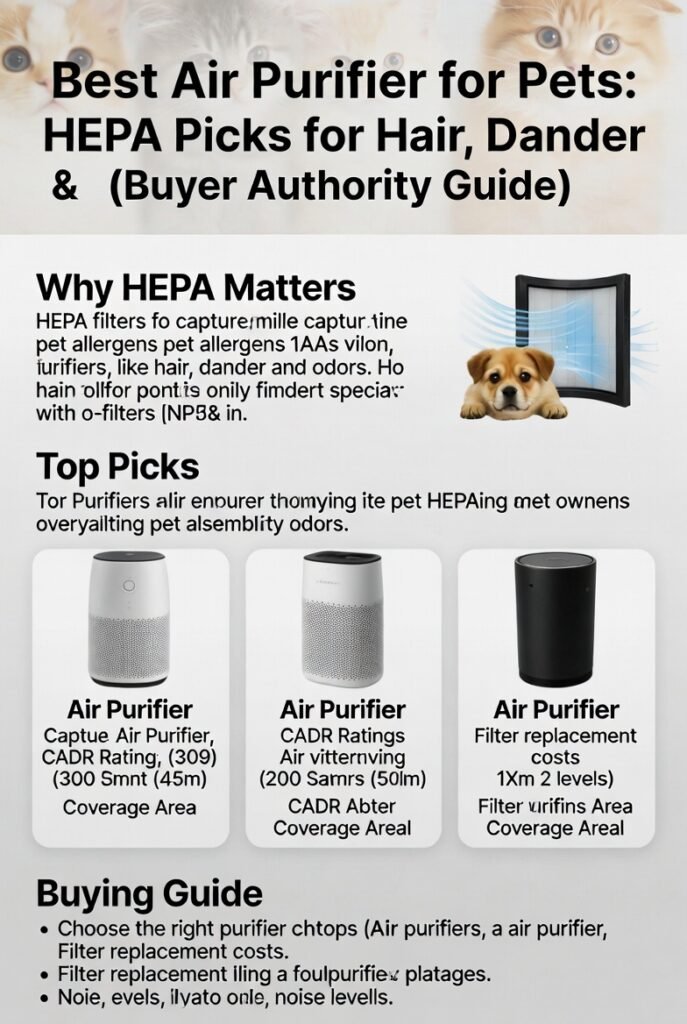
airpurifier for pets

Best Air Purifier for Pets: HEPA Picks for Hair, Dander & Odors (Buyer Authority Guide)

Best Air Purifier for Pets: HEPA Picks for Hair, Dander & Odors If you live with dogs or cats, the pattern is predictable: Fur settles on furniture.Dander stays airborne.Odors linger.Allergies flare. An air purifier can help — but only if it’s the right type, properly sized, and used consistently. This guide explains: What filtration actually […]

Best Air Purifier for Pets: HEPA Picks for Hair, Dander & Odors (Buyer Authority Guide) Read More »
radon map

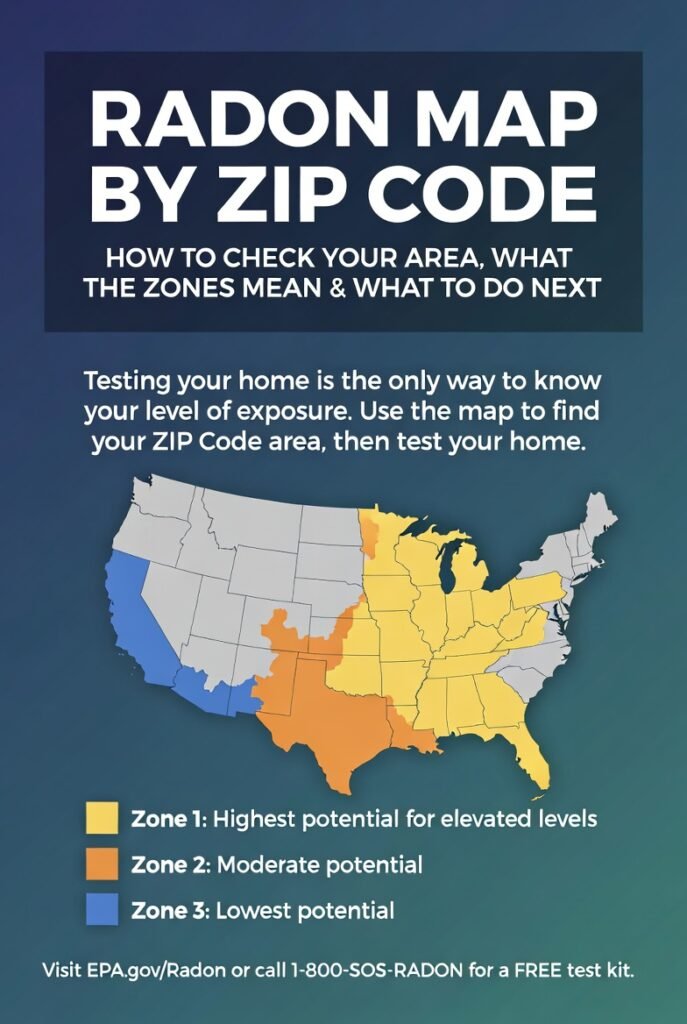
Radon Map by ZIP Code: How to Check Your Area, What the Zones Mean & What to Do Next

Radon Map by ZIP Code If you’re searching for a radon map by ZIP code, you’re trying to answer one urgent question: Is my home in a high-radon area? Here’s the critical truth for U.S. homeowners: There is no official nationwide radon map published strictly by ZIP code.Federal radon maps are based on county-level geologic

Radon Map by ZIP Code: How to Check Your Area, What the Zones Mean & What to Do Next Read More »

radon mitigation

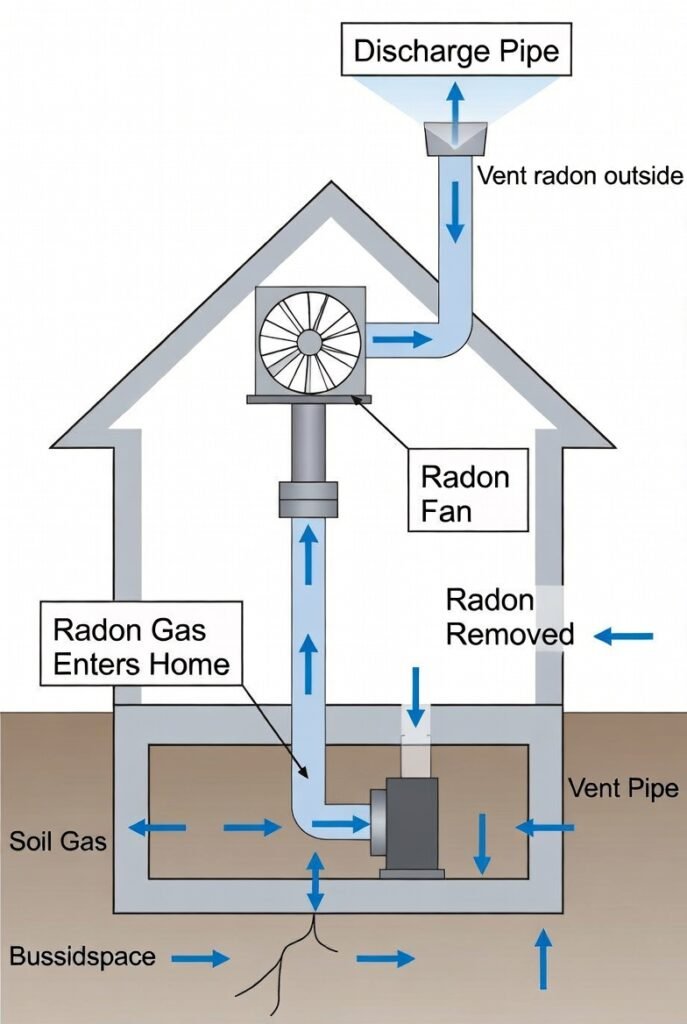
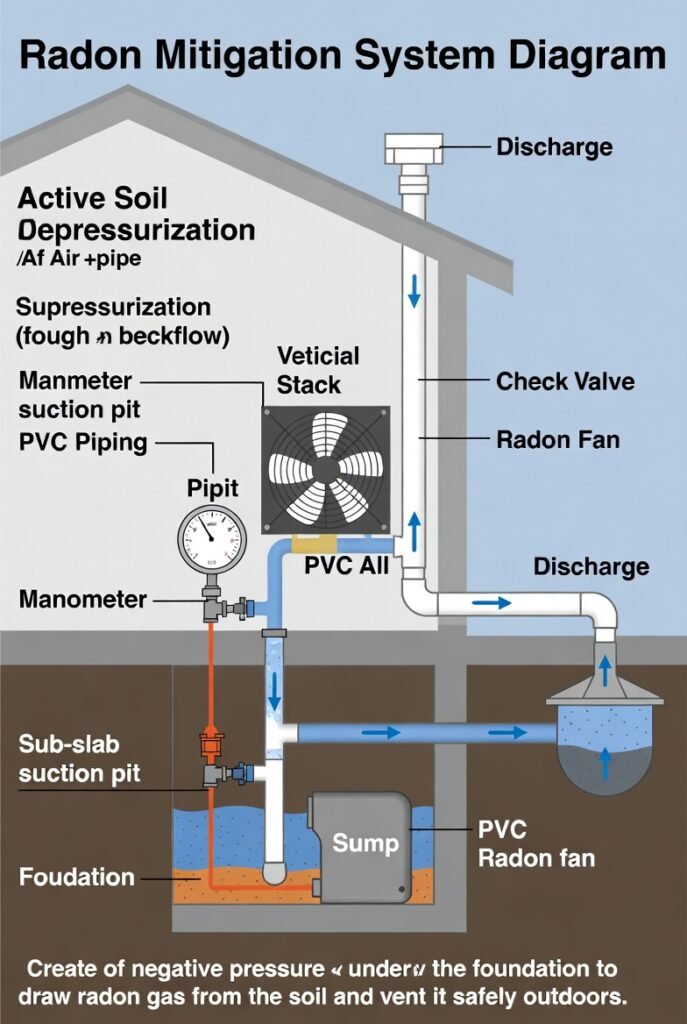
Radon Mitigation System Diagram: What It Looks Like, How It Works & What to Check

Radon Mitigation System Diagram A radon mitigation system usually looks simple: A vertical white PVC pipe.A small fan somewhere along that pipe.A gauge mounted on the pipe. But behind that simple appearance is a pressure-control system designed to pull radon gas from beneath the foundation and safely vent it outdoors. Most modern systems use Active

Radon Mitigation System Diagram: What It Looks Like, How It Works & What to Check Read More »

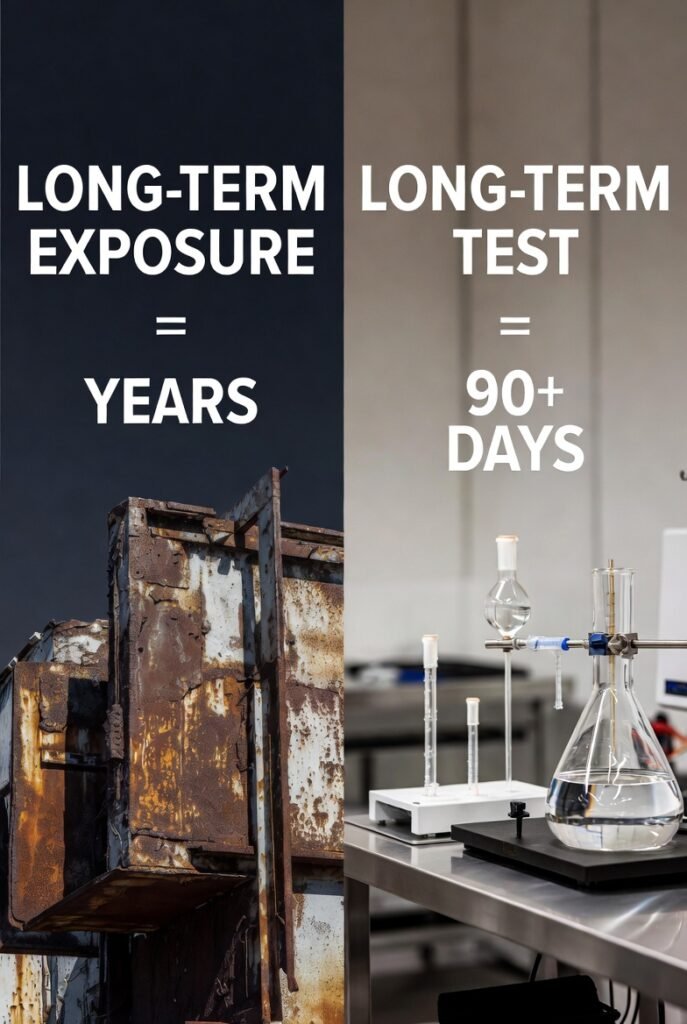
Difference between long-term radon exposure and long-term radon testing duration.

What Is Considered Long-Term Exposure to Radon? Duration, Risk Meaning & What To Do

What Is Considered Long-Term Exposure to Radon? Radon is measured, not felt. There are no early warning symptoms. No burning smell. No immediate illness. When people ask, “What counts as long-term exposure to radon?” they’re usually trying to answer a deeper question: “Have I already been harmed?” The correct way to frame this is clinical

What Is Considered Long-Term Exposure to Radon? Duration, Risk Meaning & What To Do Read More »

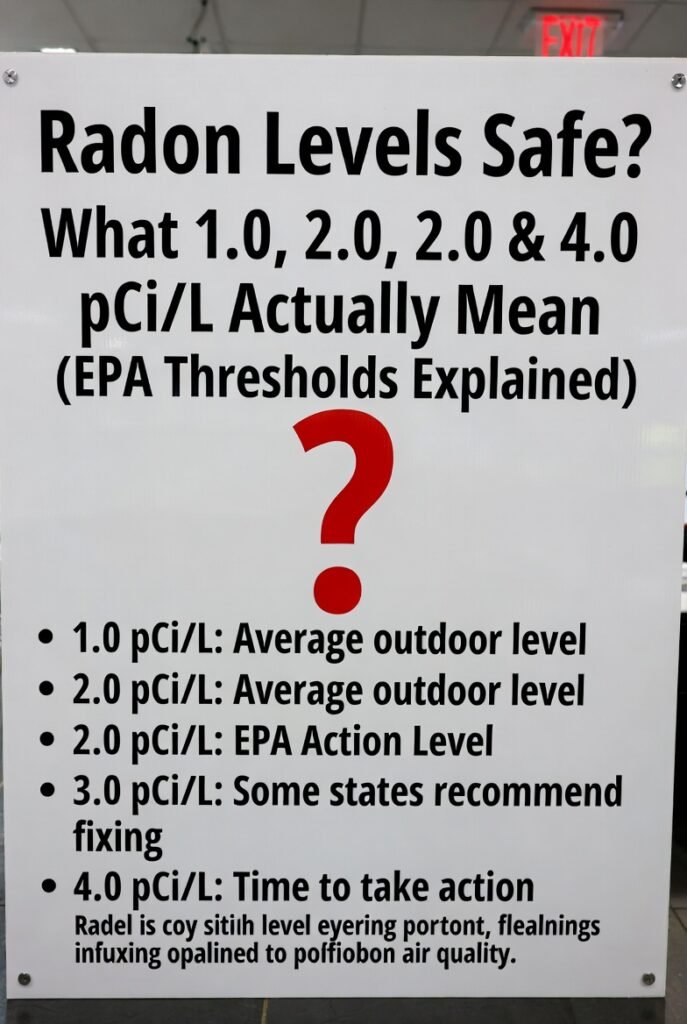
Radon levels safe interpretation table

Radon Levels Safe? What 1.0, 2.0, 3.0 & 4.0 pCi/L Actually Mean (EPA Thresholds Explained)

Radon Levels Safe? What the Numbers Actually Mean Radon is measured in picocuries per liter (pCi/L). The United States Environmental Protection Agency (EPA) recommends: Fixing homes at 4.0 pCi/L or higher Considering action between 2.0–4.0 pCi/L But what does that actually mean for your home? Is 2.0 safe?Is 3.5 dangerous?Is 1.0 zero risk? This guide

Radon Levels Safe? What 1.0, 2.0, 3.0 & 4.0 pCi/L Actually Mean (EPA Thresholds Explained) Read More »

active mitigation

Active Radon Mitigation System: How It Works, When It’s Required, Performance Benchmarks & Cost Differences

Active Radon Mitigation System: When a Fan Is Required (And When Passive Isn’t Enough) Radon doesn’t move because someone forgot to seal a crack. It moves because of pressure. An active radon mitigation system uses a continuously operating fan to create measurable negative pressure beneath your foundation — pulling radon from soil and venting it

Active Radon Mitigation System: How It Works, When It’s Required, Performance Benchmarks & Cost Differences Read More »

Radon System Installation Cost:

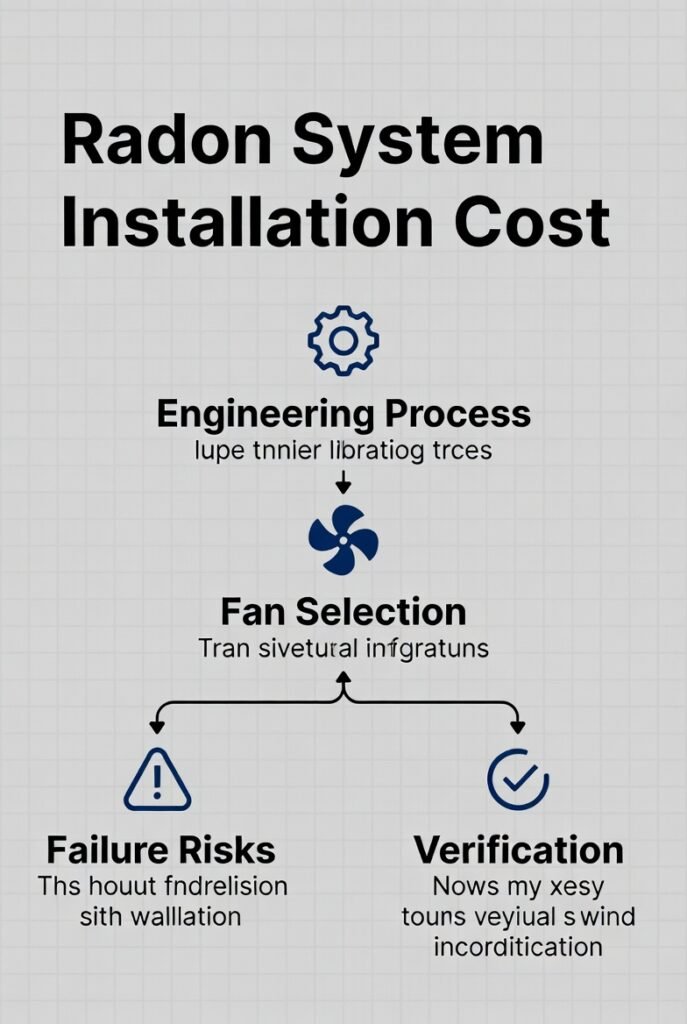
Radon System Installation Cost: Engineering Process, Fan Selection, Failure Risks & Verification

Radon System Installation: What Makes It Work (And What Makes It Fail) Radon mitigation isn’t a “home upgrade.” It’s a pressure-control safety system. Radon forms naturally in soil and rock, then moves into buildings through cracks, joints, sump pits, and penetrations. It’s invisible and odorless, and long-term exposure increases lung cancer risk. A proper radon

Radon System Installation Cost: Engineering Process, Fan Selection, Failure Risks & Verification Read More »