Comparisons

Side-by-side comparisons of brands, models, systems, and solutions.

best air puri fiers for molds

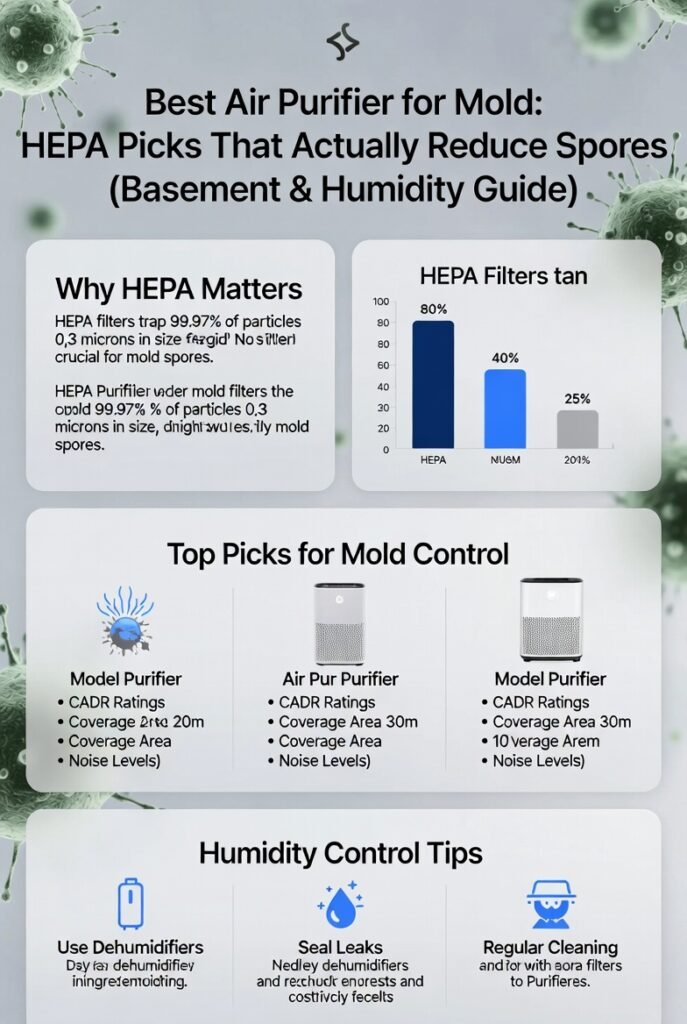
Best Air Purifier for Mold: HEPA Picks That Actually Reduce Spores (Basement & Humidity Guide)

Best Air Purifier for Mold (What Works — and What Doesn’t) If you’re researching the best air purifier for mold, you’re probably dealing with one of these: A musty basement smell Past water intrusion Allergy flare-ups in damp rooms Visible mold growth High indoor humidity Here’s the clear, engineering-level reality: Air purifiers capture airborne mold […]
Best Air Purifier for Mold: HEPA Picks That Actually Reduce Spores (Basement & Humidity Guide) Read More »

signs of radon poisning

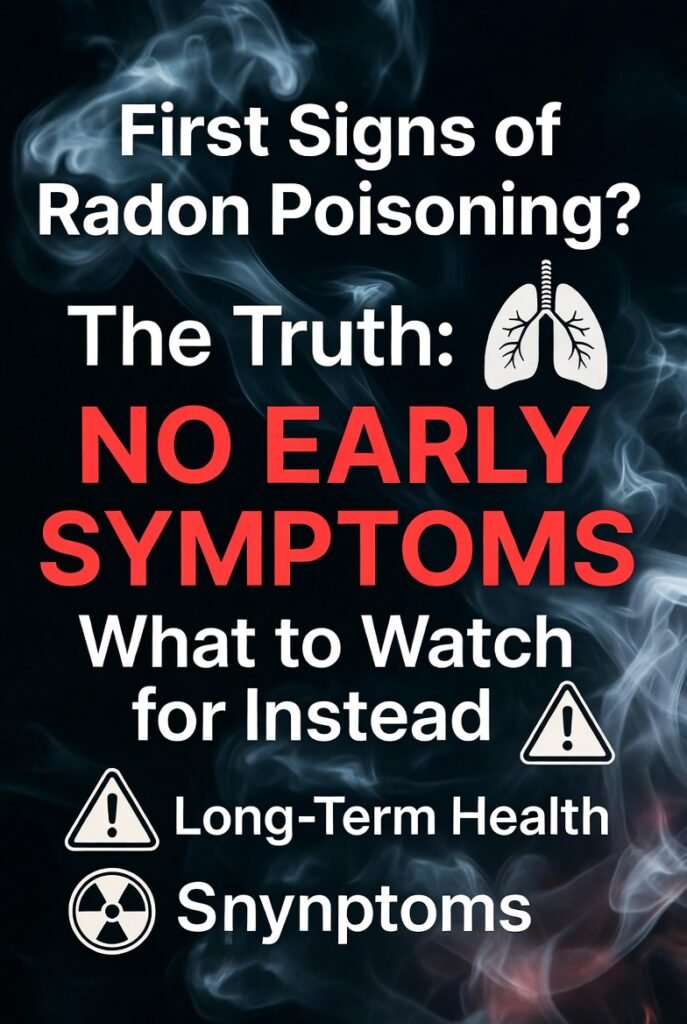
First Signs of Radon Poisoning? The Truth: No Early Symptoms (What to Watch for Instead)

What Are the First Signs of Radon Poisoning? Radon is measured, not felt. At typical residential exposure levels, radon does not cause immediate symptoms and has no reliable “early warning signs.” The harm is long-term: radon exposure increases lung cancer risk over years, not hours. That’s why “radon poisoning symptoms” is such a trap query.

First Signs of Radon Poisoning? The Truth: No Early Symptoms (What to Watch for Instead) Read More »

How to Read a Radon Meter:

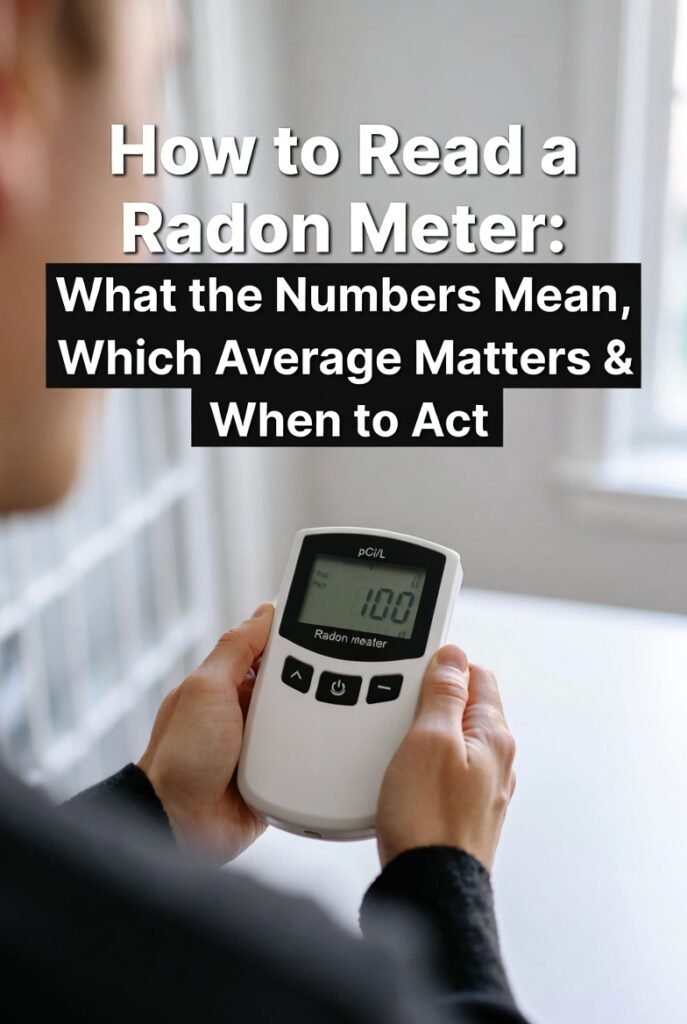
How to Read a Radon Meter: What the Numbers Mean, Which Average Matters & When to Act

How to Read a Radon Meter A radon meter can feel confusing because the display changes. One moment it says 1.2.Then it jumps to 6.8.Then it drops again. If you interpret the wrong number, you either panic for no reason or ignore a real long-term issue. Here’s the clean rule: For decisions, focus on your

How to Read a Radon Meter: What the Numbers Mean, Which Average Matters & When to Act Read More »

Post-mitigation radon testing timeline showing the recommended verification window.

Does Radon Mitigation Work? System Effectiveness, What “Good” Looks Like & How to Prove It

Does Radon Mitigation Work? Yes—radon mitigation works when it’s installed correctly and verified with a follow-up test. The best way to think about radon mitigation is not “a home improvement.” It’s an engineering control: pressure management at the foundation so radon is vented outside instead of entering living space. What most homeowners really want to

Does Radon Mitigation Work? System Effectiveness, What “Good” Looks Like & How to Prove It Read More »

Radon entering basement and circulating upstairs through stack effect.

Does Radon Travel Upstairs? How Radon Moves Through a House & What It Means for Exposure

Does Radon Travel Upstairs? Radon does not “stay in the basement.” It enters at the lowest level — but it can move upward. The correct answer is: Yes, radon can travel upstairs.In most homes, levels are highest near the foundation and lower as you go up — but airflow patterns determine how much reaches upper

Does Radon Travel Upstairs? How Radon Moves Through a House & What It Means for Exposure Read More »

pipe installation

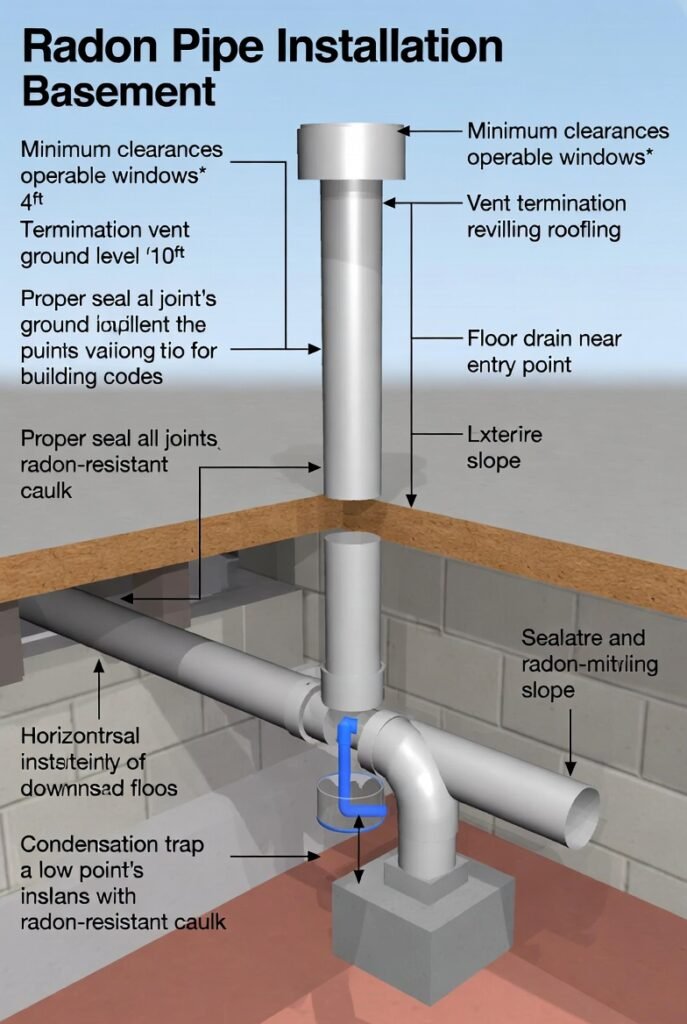
Radon Pipe Installation: Basement Routing, Vent Termination Clearances, Code Rules & Condensation Control

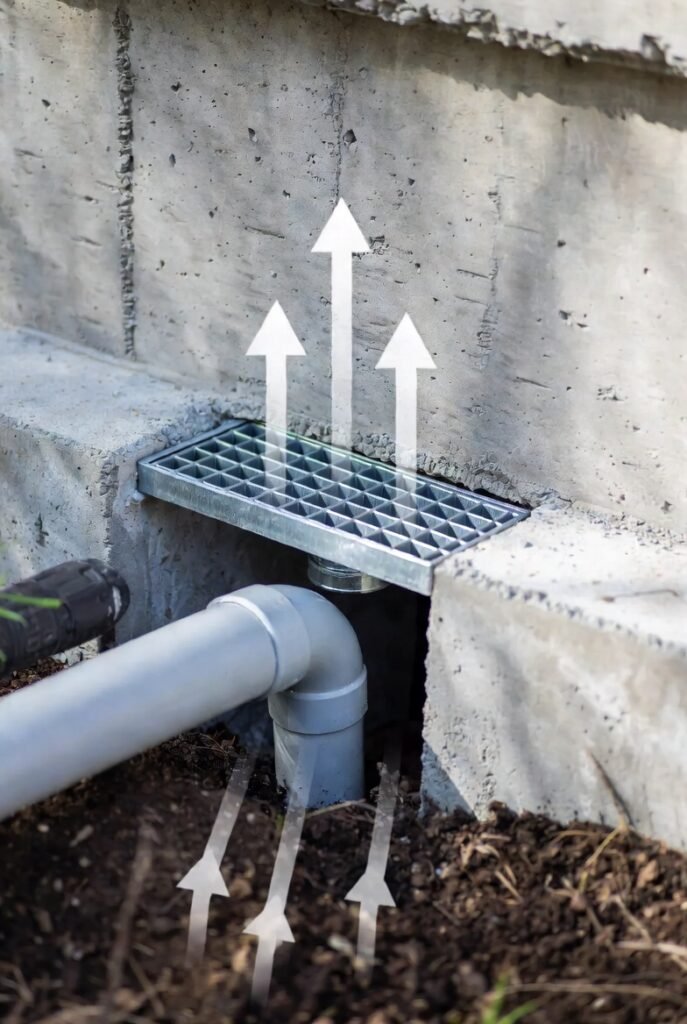
Radon Pipe Installation: Routing, Venting & Compliance Done Correctly A radon pipe is not just PVC in the wall. It is the pressure pathway that makes or breaks a mitigation system. Poor routing reduces suction.Improper vent termination risks re-entry.Incorrect slope traps condensation and can freeze in cold climates.Unsupported spans sag and choke airflow. This guide

Radon Pipe Installation: Basement Routing, Vent Termination Clearances, Code Rules & Condensation Control Read More »

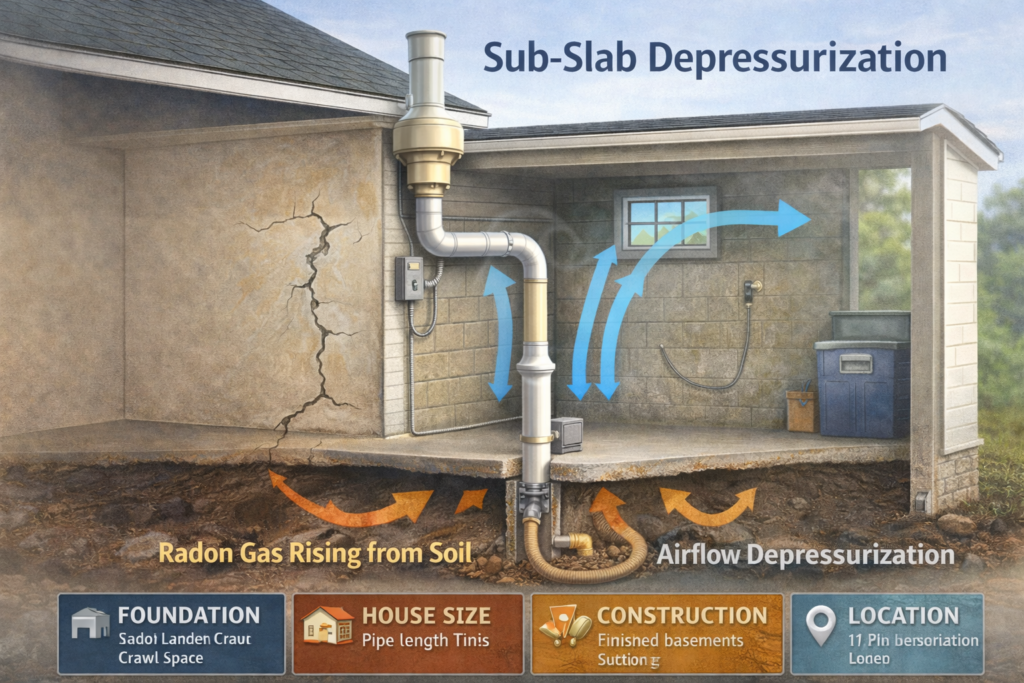
Sub-slab depressurization diagram with airflow arrows

Radon Mitigation Systems: Types, How They Work, and How Professionals Choose the Right One

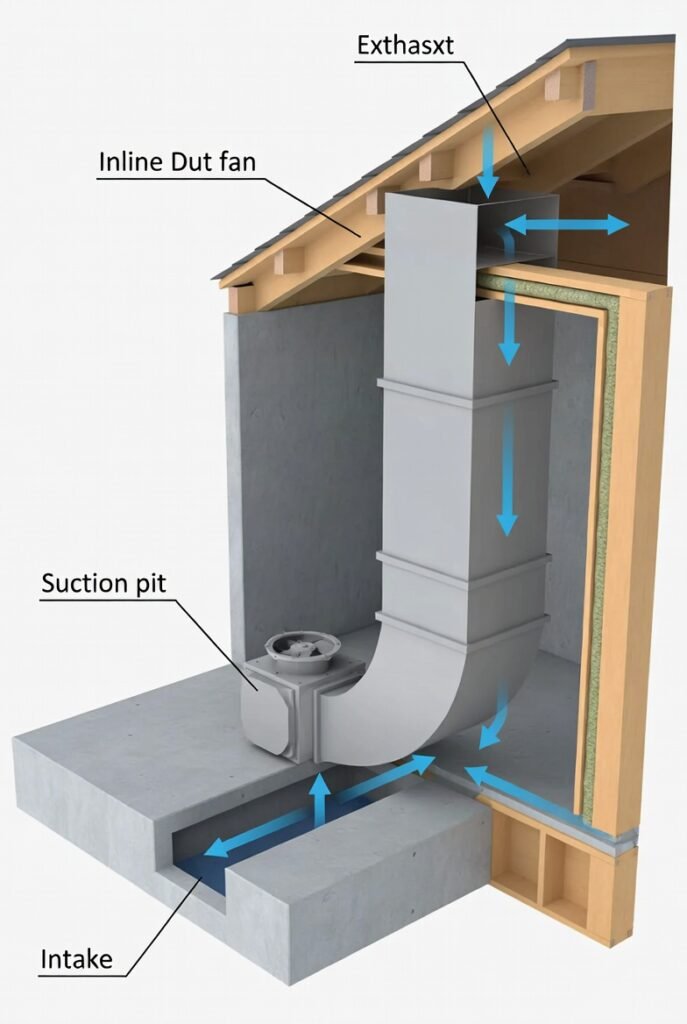
Radon Mitigation Systems: How They Work, Why Most Homes Use the Same One, and When Variations Matter Introduction: Why “System Types” Are Often Misunderstood Radon mitigation systems are often presented as many competing options In reality: Most homes use the same core system Variations are driven by construction, not preference Misunderstanding system types can lead

Radon Mitigation Systems: Types, How They Work, and How Professionals Choose the Right One Read More »

Diagram: Residential air pathways (attic, crawl space, HVAC)

Residential Indoor Air Quality Testing: When It Helps—and When It Doesn’t

Residential Indoor Air Quality Testing: What It Clarifies—and When It’s Not Necessary Introduction: Why Homeowners Start Looking Into IAQ Testing Homeowners rarely research IAQ testing out of curiosity Common triggers include: Odors that won’t go away Headaches or irritation that feel worse at home Allergy symptoms improving outdoors Concerns after water damage, renovation, or moving

Residential Indoor Air Quality Testing: When It Helps—and When It Doesn’t Read More »

Diagram: Assessment → Testing (if needed) → Certification (documentation)

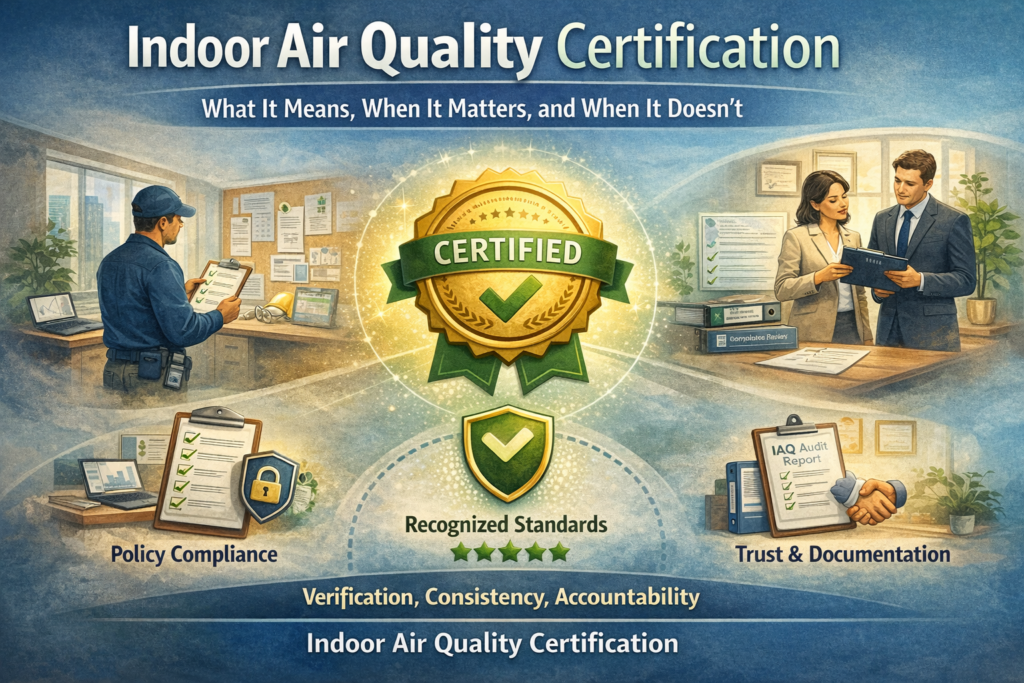
Indoor Air Quality Certification: What It Proves, What It Doesn’t, and When It Matters

Indoor Air Quality Certification: What It Means, When It Matters, and When It Doesn’t Introduction: Why “Certification” Sounds More Definitive Than It Is The word certified implies: Proof Resolution Finality In practice, IAQ certification plays a narrow, disciplined role Certification exists to: Document alignment with a defined standard or framework Indoor Air Quality Services It

Indoor Air Quality Certification: What It Proves, What It Doesn’t, and When It Matters Read More »

Home airflow diagram (supply, return, leakage paths)

Indoor Air Quality Services: What They Test, What They Fix, and When You Actually Need Them

Indoor Air Quality Services: What They Really Do (and When You Need Them) Introduction: Why Indoor Air Problems Are Hard to Spot Indoor air issues rarely look obvious or dramatic Symptoms are often subtle: Headaches that disappear outside Allergies worse indoors than outdoors Odors that never fully go away Because nothing appears “broken,” people question

Indoor Air Quality Services: What They Test, What They Fix, and When You Actually Need Them Read More »