
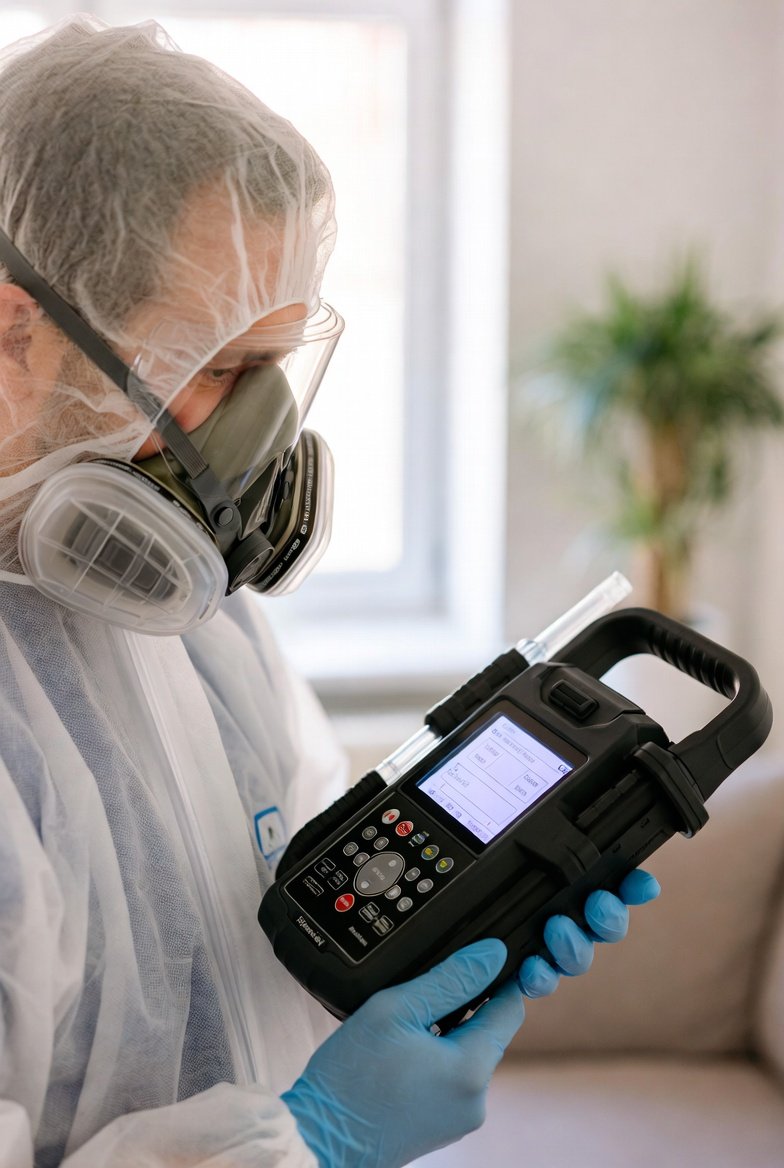
Indoor Air Quality Inspection: Why Inspection Often Matters More Than Testing
Introduction: Why Air Problems Don’t Always Start With Testing
- Most people assume indoor air issues start with testing
- Something feels off, so numbers are expected to provide answers
- In reality:
- Many air complaints aren’t measurement problems
- Indoor air quality companies
- They’re building-behavior problems
- Indoor air quality inspections exist to:
- Understand how the building functions
- Identify conditions that create air issues over time
- Inspections focus on:
- Air movement
- Moisture behavior
- Structural and mechanical influences
- Many concerns are resolved before testing is ever needed
What an Indoor Air Quality Inspection Really Is
- An inspection is condition-based, not measurement-based
- It evaluates factors that influence indoor air long-term:
- Moisture behavior
- Ventilation effectiveness
- Pressure differences between spaces
- Combustion sources
- Air leakage pathways
- The goal:
- Identify why air complaints may be occurring
- Decide whether testing would add value
- Many air complaints are structural or mechanical—not contamination issues
Inspection vs Testing: Why the Sequence Matters
- Inspection and testing serve different roles
Inspection
- Identifies causes and contributing conditions
- Explains building behavior
Testing
- Measures what’s present at a specific moment
- Provides data without explanation on its own
- Testing without inspection:
- Can show elevated readings with no clear source
- Inspection without testing:
- Identifies risks without confirmation
- In most cases:
- Inspection should come first
- A thorough inspection often eliminates the need for testing
Why Many Indoor Air Problems Aren’t “Air Problems”
- Discomfort indoors doesn’t always mean pollution
- Common non-contaminant causes include:
- Odors moving due to pressure imbalance
- High humidity from poor exhaust
- Dust pulled in through leakage paths
- Stale air from insufficient air exchange
- An inspection identifies these patterns quickly
- Often no sampling is required to explain symptoms
What Indoor Air Quality Inspectors Are Actually Looking For
- Inspections focus on patterns, not particles
Moisture Sources
- Past or active leaks
- Condensation zones
- Damp building materials
Ventilation Behavior
- Fresh air intake
- Exhaust effectiveness
- Short-circuiting airflow
Pressure Differences
- Rooms pulling air from:
- Basements
- Crawl spaces
- Garages
Combustion Influences
- Furnaces
- Water heaters
- Fireplaces
- Attached garages
Building Envelope Gaps
- Leakage points drawing in outdoor air or contaminants
- These conditions often explain complaints better than lab results
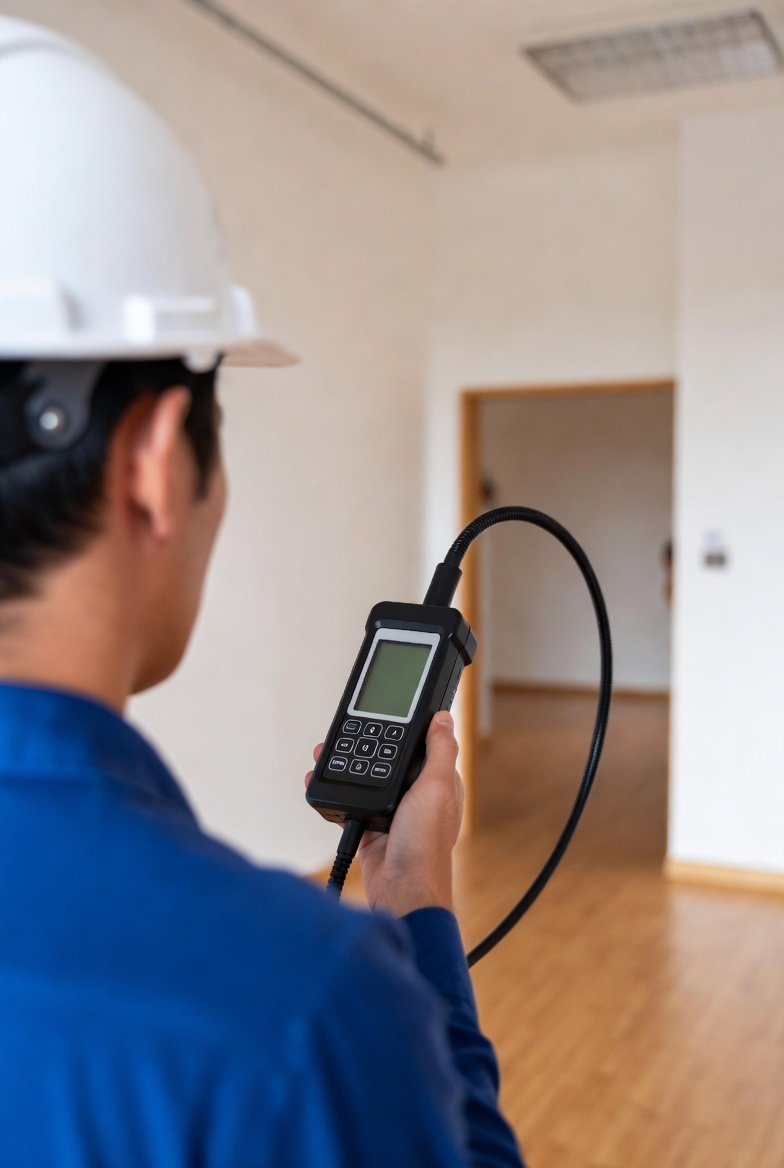
Home Air Quality Inspection vs General Home Inspection
- A standard home inspection:
- Focuses on visible defects
- Does not analyze airflow or pressure dynamics
- A dedicated air quality inspection:
- Evaluates airflow and pressure relationships
- Looks for moisture patterns, not just damage
- Assesses ventilation performance
- Connects building behavior to occupant symptoms
- This distinction matters when issues persist despite a “clean” home inspection
When an Indoor Air Quality Inspection Should Come First
- Inspection is often the right starting point when:
- The home has a history of leaks or water damage
- Odors persist without an obvious source
- Symptoms improve when leaving the building
- Renovations altered airflow or materials
- Indoor air quality testing
- Previous testing produced confusing or inconsistent results
- Inspection clarifies:
- Whether testing will add insight
- Or simply add more data
What a Proper Inspection Visit Typically Involves
- A legitimate inspection is:
- Observational
- Methodical
- Explanatory
- A typical visit includes:
- Discussion of symptoms or concerns
- Walkthrough of the entire structure
- Examination of moisture-prone areas
- Observation of ventilation and exhaust behavior
- Identification of likely pollutant pathways
- Inspectors may recommend testing afterward
- Inspection itself should not function as a sales trigger
Common Outcomes of an Indoor Air Quality Inspection
- Inspection doesn’t always lead to action—and that’s often ideal
- Possible conclusions:
- Conditions are typical; no action needed
- Moisture or airflow issues require correction
- Targeted testing would add clarity
- A maintenance or repair issue needs attention
- The purpose is understanding, not escalation
What an Indoor Air Quality Inspection Can—and Can’t—Do
An Inspection Can:
- Identify likely sources of air complaints
- Reveal moisture and ventilation problems
- Explain abnormal or confusing test results
- Guide targeted next steps
An Inspection Cannot:
- Measure contaminant concentrations
- Diagnose health conditions
- Guarantee symptom resolution
- Replace routine maintenance or repairs
- Knowing these limits prevents unrealistic expectations
Red Flags to Watch for During Indoor Air Quality Inspections
- Be cautious if an inspector:
- Skips areas of the building
- Avoids explaining observations
- Treats inspection as a formality
- Immediately recommends equipment
- Dismisses building behavior as irrelevant
- Credible inspections prioritize understanding first
Inspection First, Testing Second: A Smarter Sequence
- In many cases:
- Inspection reduces or eliminates the need for testing
- When testing is recommended:
- Inspection ensures it’s targeted and relevant
- Effective sequence:
- Inspect building conditions
- Test only where necessary
- Correct only what matters
- This approach avoids unnecessary cost and intervention
How Indoor Air Quality Inspections Fit Into Bigger Decisions
- Inspection is a decision filter, not an endpoint
- Sometimes the right outcome is confirmation that conditions are normal
- Other times, inspection reveals issues that justify:
- Further testing
- Repairs or adjustments
- The value lies in preventing people from fixing the wrong thing
- A legitimate inspection leaves clarity—not a long to-do list
Where This Page Fits in the Site Structure
- This page explains:
- What an indoor air quality inspection is
- When it matters
- It intentionally does not:
- Break down testing costs
- Compare inspection providers
- Recommend products or equipment
- Those decisions belong after inspection clarifies the situation
Final Perspective
- Indoor air quality inspections aren’t about finding problems
- They’re about understanding the building well enough to:
- Avoid unnecessary testing
- Avoid unnecessary fixes
- Focus only on what actually matters
- Inspection brings clarity before action