
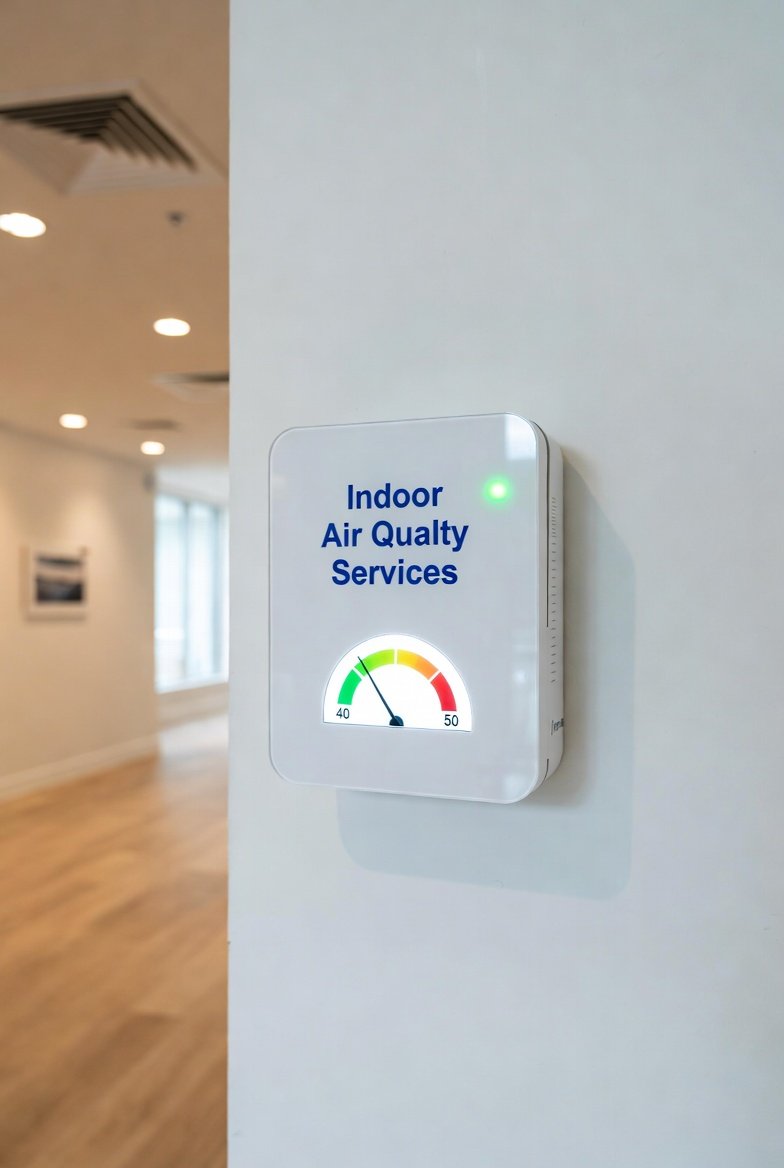
Indoor Air Quality Testing Services: How Professional Testing Actually Works
Introduction: Why Air Quality Testing Often Creates Anxiety
- Indoor air quality testing often raises concern instead of clarity
- Not because testing is flawed—but because results are misunderstood
- Common reactions:
- Numbers feel definitive
- Charts imply conclusions
- Results trigger pressure to “fix” something immediately
- This page exists to slow that process down
- Purpose:
- Explain how testing actually works
- Clarify what results can and can’t tell you
- Show when testing is useful—and when it isn’t
What Indoor Air Quality Testing Services Are Designed to Do
- Testing services are measurement tools, not verdicts
- They are meant to answer three specific questions:
- What substances or conditions are present
- Whether levels are typical or elevated
- What factors may be influencing results
- They are not designed to:
- Diagnose medical conditions
- Prove symptom causation
- Prescribe equipment
- When used correctly:
- Testing reduces uncertainty
- When misused:
- Testing creates urgency without context
Why Air Quality Testing Is Commonly Misunderstood
- The biggest misconception:
- Testing should always uncover a problem
- In reality:
- Most professional tests confirm normal indoor variation
- Testing is valuable when:
- Results are compared to baselines
- Building conditions are considered
- The goal is decision-making—not product sales
- A test that always leads to the same recommendation is procedural, not diagnostic
What Professional Indoor Air Quality Testing Typically Measures
- Legitimate testing focuses on measurable and actionable indicators
Fine Particles (PM2.5 / PM10)
- Often associated with:
- Combustion sources
- Outdoor infiltration
- Dust accumulation
Carbon Monoxide (CO)
- Safety-critical gas
- Linked to combustion appliances and exhaust issues
Carbon Dioxide (CO₂)
- Not a toxin at normal levels
- Used as a proxy for ventilation effectiveness
Volatile Organic Compounds (VOCs)
- Emitted from:
- Building materials
- Finishes and furnishings
- Cleaning products
- Household chemicals
Humidity and Moisture Conditions
- Environmental factors that influence:
- Mold growth
- Odor persistence
- Comfort and material degradation
- Testing is not about zero detection
- It’s about identifying unusual elevation or imbalance
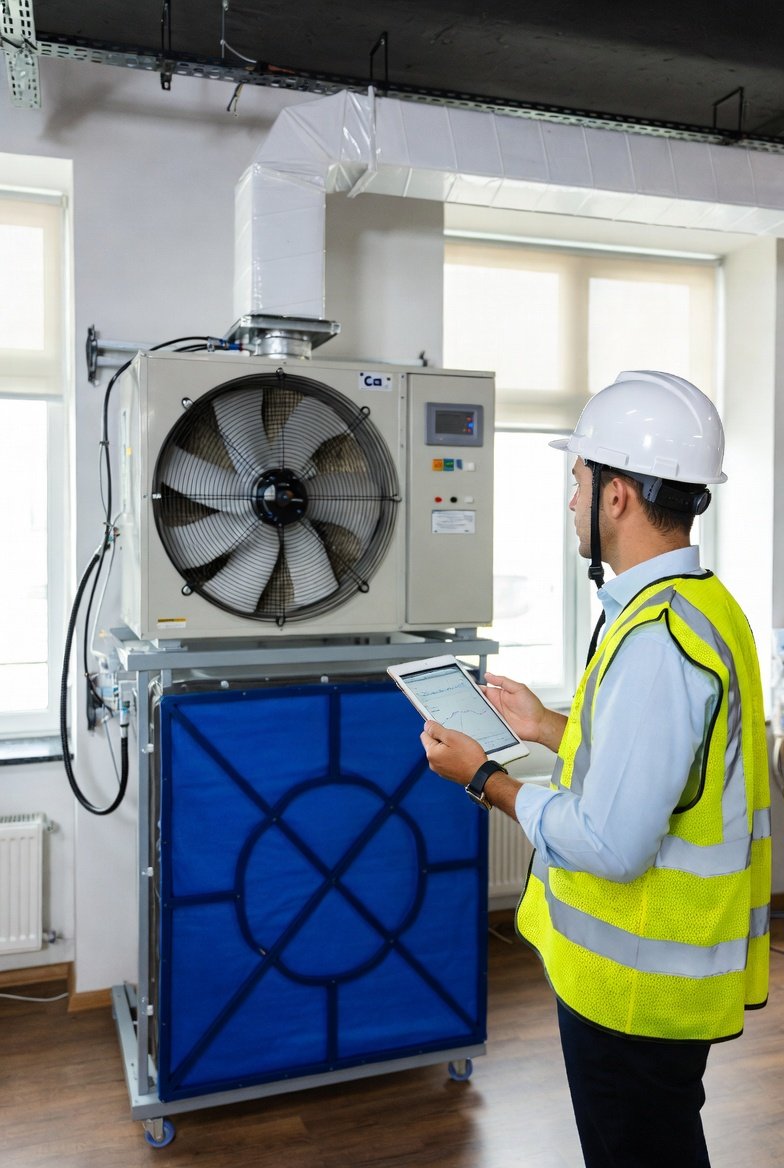
Why Context Matters More Than Raw Numbers
- There is no universal “safe” number for indoor air
- Professionals interpret results using:
- Outdoor readings taken at the same time
- Typical indoor ranges—not idealized targets
- Exposure duration, not just peaks
- Building size, layout, and occupancy
- Numbers without context inform—but don’t guide action
Common Types of Indoor Air Quality Testing Services
- Testing is sold in distinct formats, each with a specific purpose
Screening-Level Testing
- Broad measurements
- Used when:
- There’s general concern
- No clear trigger exists
- Intended for reassurance or initial evaluation
Targeted, Problem-Specific Testing
- Focused on a known issue:
- Odors
- Moisture concerns
- Combustion safety
- Post-renovation conditions
- Most common real-world application
Verification or Follow-Up Testing
- Conducted after:
- Mold remediation
- Moisture correction
- Ventilation adjustments
- Confirms whether conditions normalized
Transaction-Based Testing
- Limited scope
- Used for:
- Real estate
- Insurance
- Risk identification matters more than precision
- Misalignment between scope and intent causes confusion
Testing vs Inspection: Why Testing Alone Isn’t Enough
- Testing measures conditions
- Indoor air quality inspection explains why those conditions exist
- Strong services include a walkthrough evaluating:
- Moisture sources
- Ventilation pathways
- Combustion appliances
- Pressure differences between spaces
- Testing without inspection:
- Raises alarms without answers
- Inspection without testing:
- Relies on assumptions
- Together, they create clarity
What Happens During a Proper Testing Visit
- A credible visit doesn’t start with instruments
- Typical process includes:
- Brief discussion of symptoms or concerns
- Walkthrough to identify potential sources
- Strategic placement of monitors or samplers
- Controlled sampling duration
- Explanation of what’s being measured and why
- Results without explanation indicate an incomplete service
What a Useful Indoor Air Quality Report Should Include
- A good report reduces anxiety
- It should include:
- Plain-language summary
- Comparison to indoor or outdoor baselines
- Likely contributing sources—not just data
- Clear statements when no action is needed
- Reports that lack interpretation often trigger unnecessary remediation
What Indoor Air Quality Testing Can—and Can’t—Tell You
Testing Can:
- Identify elevated pollutants
- Reveal ventilation imbalance
- Confirm moisture-related risk factors
- Support informed decisions
Testing Cannot:
- Diagnose medical conditions
- Prove cause-and-effect for symptoms
- Guarantee improvement after changes
- Replace routine building maintenance
- Providers implying certainty are overstating testing’s role
Red Flags When Hiring Indoor Air Quality Testing Services
- Be cautious if a provider:
- Tests without inspecting the space
- Presents results without baselines
- Makes guaranteed health claims
- Pressures immediate equipment installation
- Recommends whole-house solutions first
- Professional testing is calm, measured, and proportional
How Indoor Air Quality Testing Fits Into Bigger Decisions
- Testing is a decision-support tool, not an endpoint
- Sometimes the right outcome is confirmation that air is normal
- Other times, testing supports targeted correction
- Its value lies in:
- Preventing unnecessary action
- Avoiding guesswork
- Indoor air quality testing services
- A legitimate service leaves clarity—not a shopping list
Where This Page Fits in the Site Structure
- This page explains how testing works
- It intentionally does not:
- Break down pricing
- Indoor air quality companies
- Compare companies
- Recommend equipment
- Testing Cost
- Those decisions come after testing clarifies whether action is needed
Final Perspective
- Indoor air quality testing is most effective when it:
- Reduces uncertainty
- Supports proportional decisions
- Helps you decide what not to do
- Good testing ends with confidence—not pressure